
Early Symptoms and Prevention of Hip Osteoarthritis
Health information
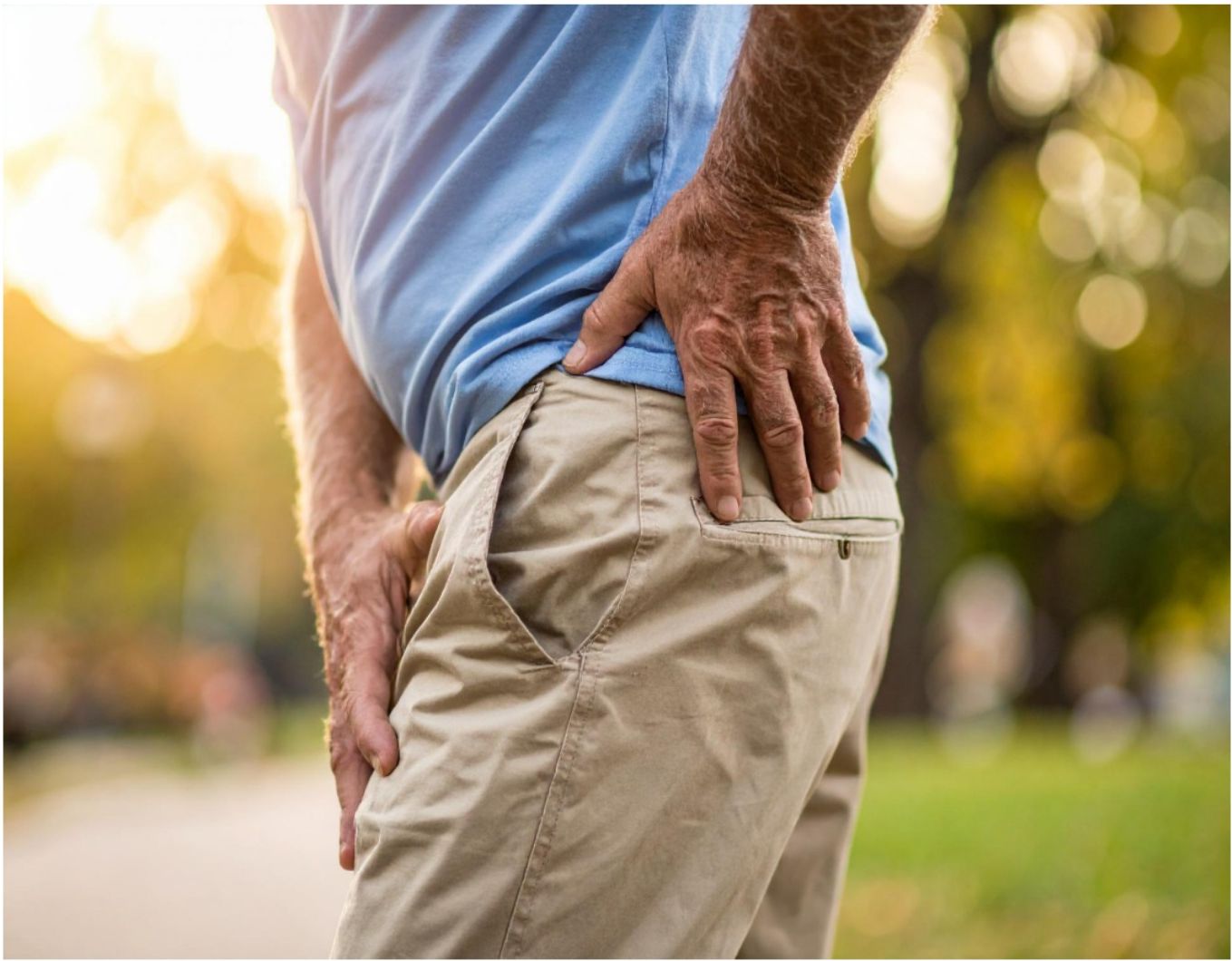
Hip osteoarthritis is a common degenerative condition caused by the gradual wear of cartilage in the hip joint.
It is particularly prevalent among people over 60 and those in physically demanding jobs. Without early intervention, the pain can worsen and interfere significantly with daily life.
In this post, we will cover the early symptoms, diagnostic methods, and prevention strategies for hip osteoarthritis, along with practical tips for caregivers.
Early Symptoms of Hip Osteoarthritis
1. Groin, Thigh, or Buttock Pain
Pain may not feel like it's from the hip joint but often occurs in the groin, outer thigh, or buttocks.
2. Joint Stiffness
A feeling of stiffness after waking up or sitting for long periods. If stiffness lasts over 30 minutes, it requires attention.
3. Limited Range of Motion
Difficulty spreading the legs, putting on socks, or wearing shoes can indicate joint limitations.
4. Popping Sounds or Friction Sensation
Clicking or grinding sounds in the hip may suggest cartilage damage.
5. Limping or Imbalance
If pain occurs on one side, a person may limp unconsciously, which can lead to back or knee pain over time.
If these symptoms persist for more than two weeks, seek a professional evaluation.
Early Management Strategies
1. Medical Evaluation and Imaging
An X-ray can reveal narrowed joint spaces. MRI may be used to assess soft tissues like cartilage and ligaments.
2. Weight Management
Each additional kilogram of body weight can place 3–6 kg of pressure on the hip joints. Maintaining a healthy weight reduces joint stress.
3. Proper Exercise & Muscle Strengthening
Low-impact exercises such as walking, cycling, or swimming can help preserve mobility. Strengthening surrounding muscles (glutes, adductors) improves joint support—consult a specialist.
4. Lifestyle Adjustments
- ① Use chairs with back support instead of low seating
- ② Eat a balanced diet rich in protein, calcium, and vitamin D
- ③ Avoid smoking and alcohol, which negatively impact bone and cartilage
- ④ Modify your home to prevent falls
- Wear non-slip indoor footwear
- Improve lighting and remove thresholds
- Use impact-absorbing hip protectors like the QuanFoam Hip Support Pro to reduce injury risk during falls
Tips for Caregivers
Hip osteoarthritis progresses gradually. Early signs may go unnoticed, so family observation and encouragement are key.
If you notice changes in walking speed or posture—even without complaints—suggest a regular check-up.
Joining your loved one in walks or preparing joint-healthy meals together can be a powerful way to support lifestyle changes.