
7 Daily Habits to Prevent Hip Fractures
Health information

Small changes in your daily life can go a long way in preventing hip fractures.
Hip fractures are one of the most serious injuries, especially among older adults. A single fall can drastically reduce quality of life.
However, by adjusting a few habits, you can significantly reduce your risk. Start practicing these 7 habits today.
1. Improve Your Indoor Safety
- Remove door thresholds, secure loose rugs, and fix curled carpet edges. Even small obstacles can lead to serious accidents.
- Ensure proper lighting in your home, and install night lights for better visibility.
- Use non-slip mats and install grab bars in bathrooms and showers.
2. Strengthen Your Muscles
- Strong hips, thighs, and calf muscles are key to protecting your hip joints.
- Recommended exercises:
▶ Bridge – Strengthens glutes and hamstrings

- Lie on your back with knees bent and feet hip-width apart.
- Slowly lift your hips until your body forms a straight line from shoulders to knees.
- Squeeze your glutes, hold for 2–3 seconds, then slowly lower back down.
▶ Side Leg Raise – Strengthens outer hip muscles

- Lie on your side with your head supported by your lower arm.
- Keep your top leg straight and lift it slowly.
- Hold for 1–2 seconds at the top, then lower it back down.
- Repeat on the other side.
▶ Chair Squat – Strengthens thighs and glutes
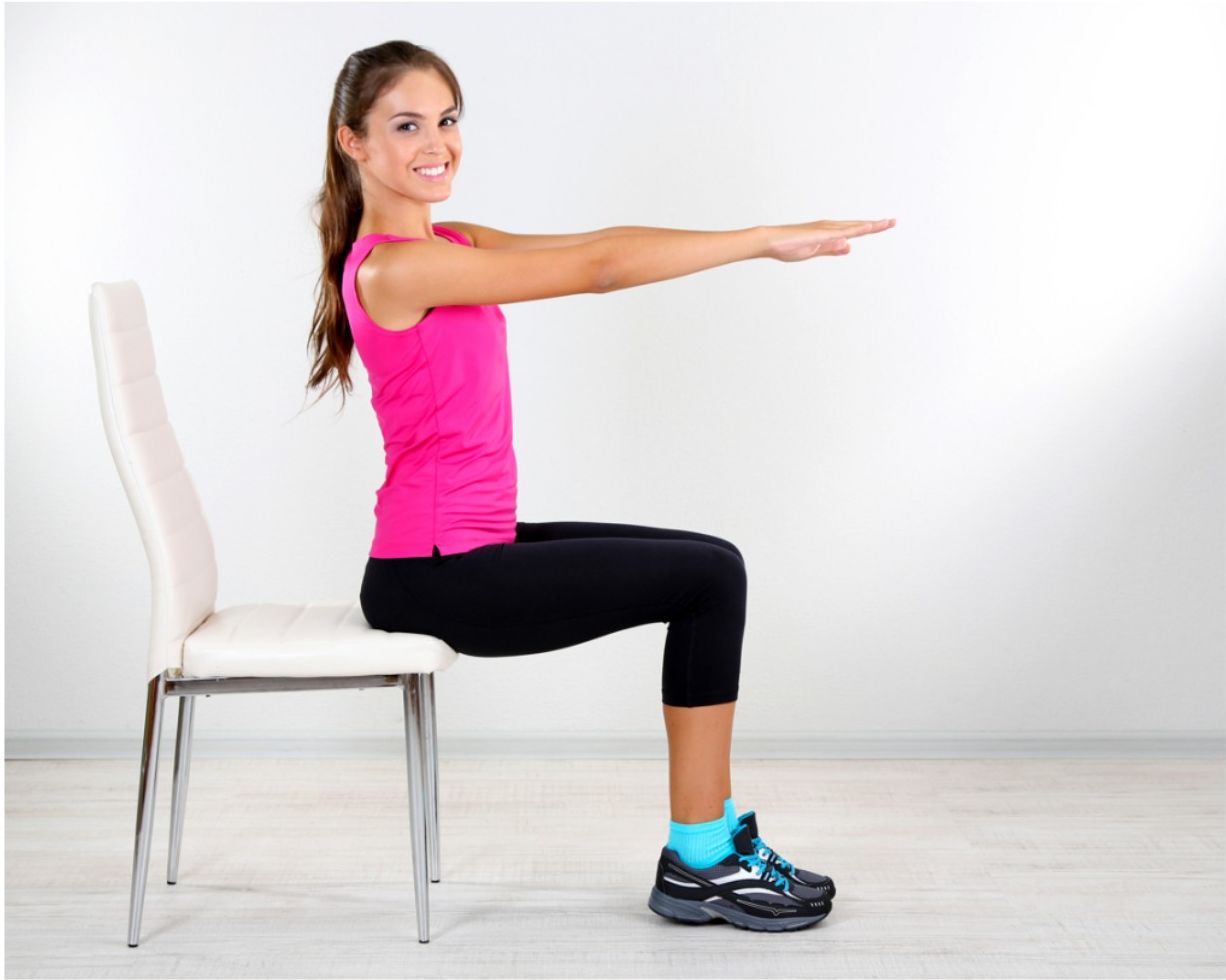
- Sit down and stand up slowly from a sturdy chair.
- Place hands on knees or stretch them forward for balance.
Safety Tips:
Exercise on non-slip mats in clutter-free areas.
Move slowly and only within a pain-free range.
Gradually increase repetitions and variety.
3. Practice Balance Training
- Most hip fractures are caused by falls.
- Balance exercises can reduce your risk of falling.
Try:
- Standing on one leg while holding onto a wall (10 seconds per side)
- Practicing yoga or tai chi for stability and coordination
4. Maintain a Healthy Weight
- Obesity puts excess strain on your hip joints, while being underweight increases the risk of low bone density and fractures.
- If your weight is outside the healthy range, consider a balanced diet and regular exercise under professional guidance.
5. Get Enough Calcium and Vitamin D
- Calcium is essential for strong bones, and Vitamin D helps your body absorb calcium.
Daily Recommended Intake: Calcium: 700–800 mg / Vitamin D: 800–1000 IU
- Good sources include: Milk, cheese, tofu, Salmon, egg yolks, Sunlight exposure
6. Wear Hip Protectors
- If you're walking on slippery roads or stairs, consider wearing a hip protector that absorbs impact.
- It's especially important if you've been diagnosed with osteoporosis or have experienced previous falls.
« QuanFoam Hip Support is made from an ultra-lightweight STF material with excellent shock absorption, making it ideal for everyday wear. »
7. Regular Health Checkups & Medication Review
- Get regular bone density tests to understand your bone health.
- Talk to your doctor if your medications cause dizziness or balance issues.
- Conditions like high blood pressure, diabetes, or vision loss can also increase the risk of falling.